Power outage
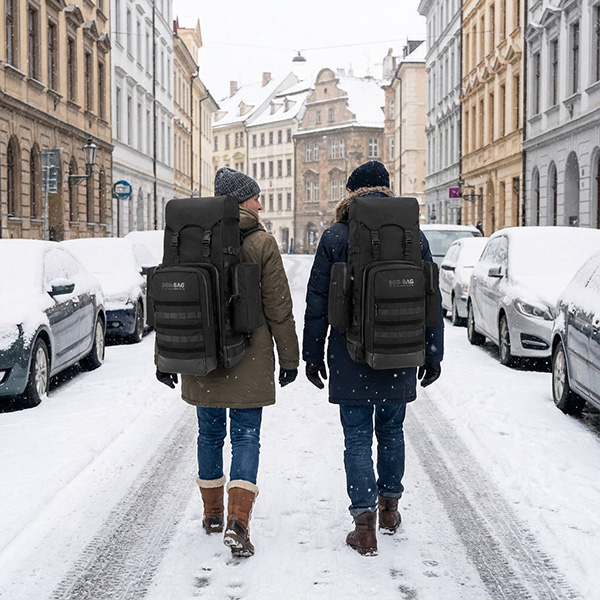
A large-scale power outage can paralyze critical infrastructure—no light, no heating, no supermarkets, no gas stations. In such cases, it may be necessary to leave your home to get to safety or find supplies.

Emergency situations catch people completely unprepared!
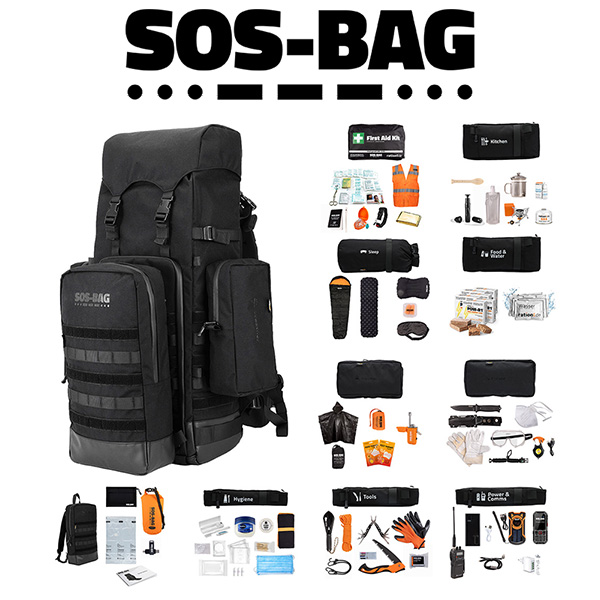
Don't hesitate for a second! Don't waste your valuable time packing and searching. Everything you need is in your emergency backpack. Take care of your loved ones and yourself!
All of this could happen to you too:
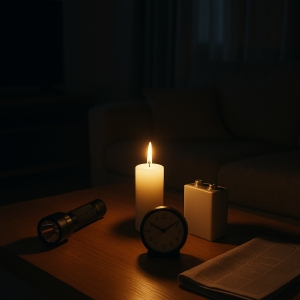
A large-scale power outage can paralyze critical infrastructure—no light, no heating, no supermarkets, no gas stations. In such cases, it may be necessary to leave your home to get to safety or find supplies.
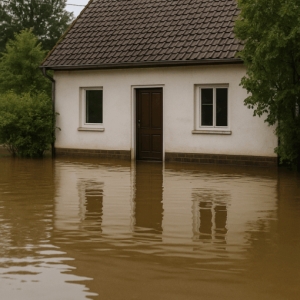
Sudden heavy rain or river overflows can flood entire regions. Often, the only option is to flee from the water, frequently in the middle of the night.
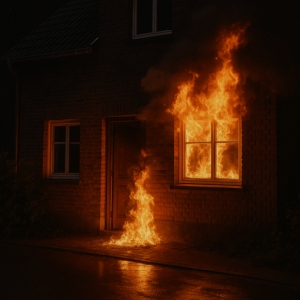
A house fire can spread quickly. In just a few minutes, the building can become uninhabitable—those who are prepared won't waste any time in the chaos.
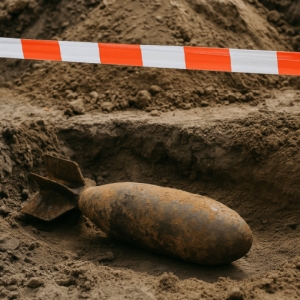
When a World War II bomb is found, the surrounding area is evacuated. Often, there is little time to pack the essentials and get to safety.
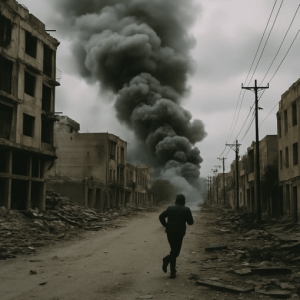
In the event of a terrorist attack or armed conflict, it may be necessary to leave affected areas immediately. Being able to pack quickly can be vital in these situations.
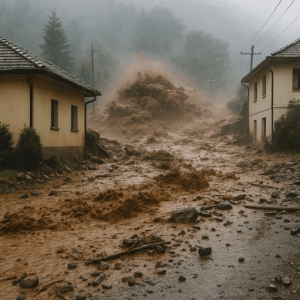
After heavy rain or due to landslides, huge masses of mud, debris, and water can suddenly sweep over houses and roads. The danger often comes without warning—leaving the area quickly can save lives.
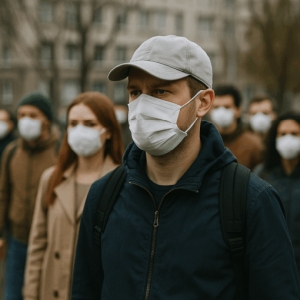
In some cases, it is safer to leave urban areas. An emergency backpack helps you to be prepared.
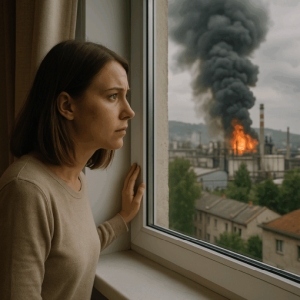
A fire in an industrial plant or chemical factory can release highly toxic gases. Authorities then often order an immediate evacuation.
.
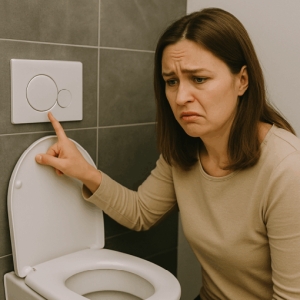
No running water means no hygiene and no drinking water supply. This can quickly lead to a crisis situation, especially in urban areas.

When the network fails, it is not only communication that breaks down—payment transactions, navigation, and access to government agencies are also affected. In combination with other crises, this can lead to flight or resettlement.
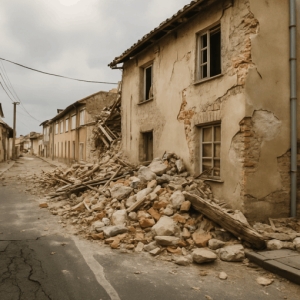
Buildings can collapse, roads can become impassable—if you need to flee quickly, you need a backpack that's already packed.
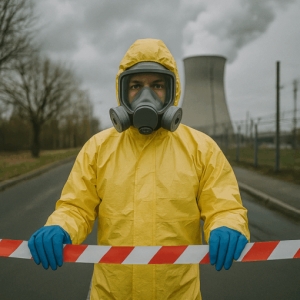
In the event of an incident at a nuclear power plant, radioactive radiation may be released. In such cases, every minute counts when it comes to getting out of the danger zone.
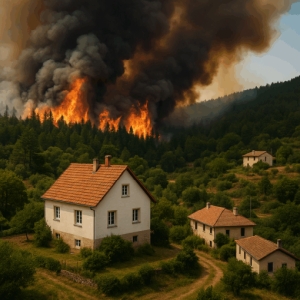
Fires can spread rapidly, especially in dry regions. Evacuation from the fire often has to take place within a very short time.

When political conditions change dramatically, unrest, curfews, or evacuations may occur.
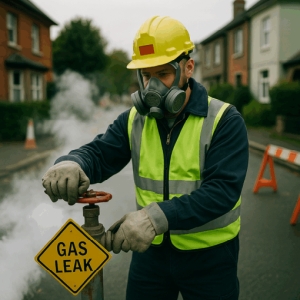
The smell of gas or an explosion poses an acute danger to life. Evacuation is usually necessary without prior warning.
Listen to what we have to say about these points!
Possible places of refuge in an emergency situation
Car/RV: If you have to stay in your car or sleep there, you'll be well equipped with a sleeping bag, drinking water, and a flashlight from your backpack.
Hotel/guesthouse (if still available): Even if you find a room, there is often no time to pack—with a backpack, you have everything with you right away.
Emergency outdoor shelter: In extreme situations, you may have to camp outside—a backpack with a sleeping pad, clothing, and emergency food is then vital.
Train station or airport: When fleeing abroad or to another city, long waiting times can occur—an emergency backpack keeps you supplied and ready for action.
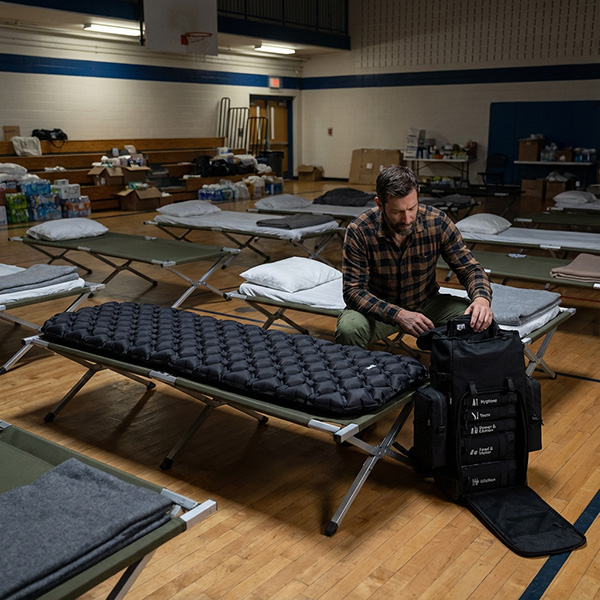
Churches, community centers, or aid centers: Shelters are often set up spontaneously in these places—those who arrive prepared have a clear advantage.
Train or bus to safety: Even when leaving the crisis area, you need identification, food, and hygiene items—ideally all packed in your emergency backpack.